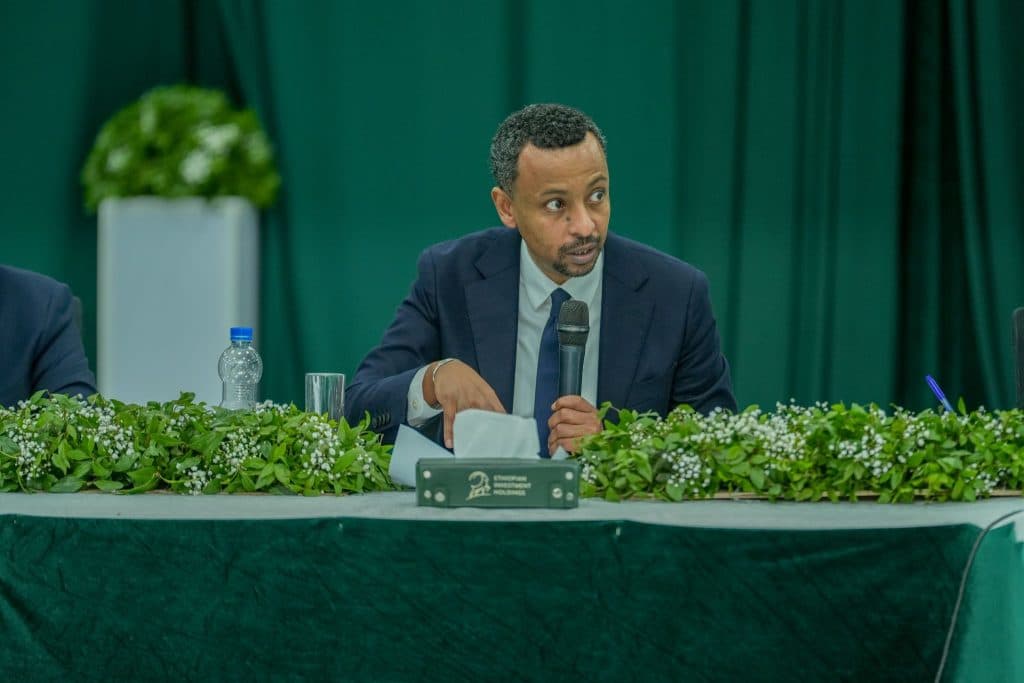
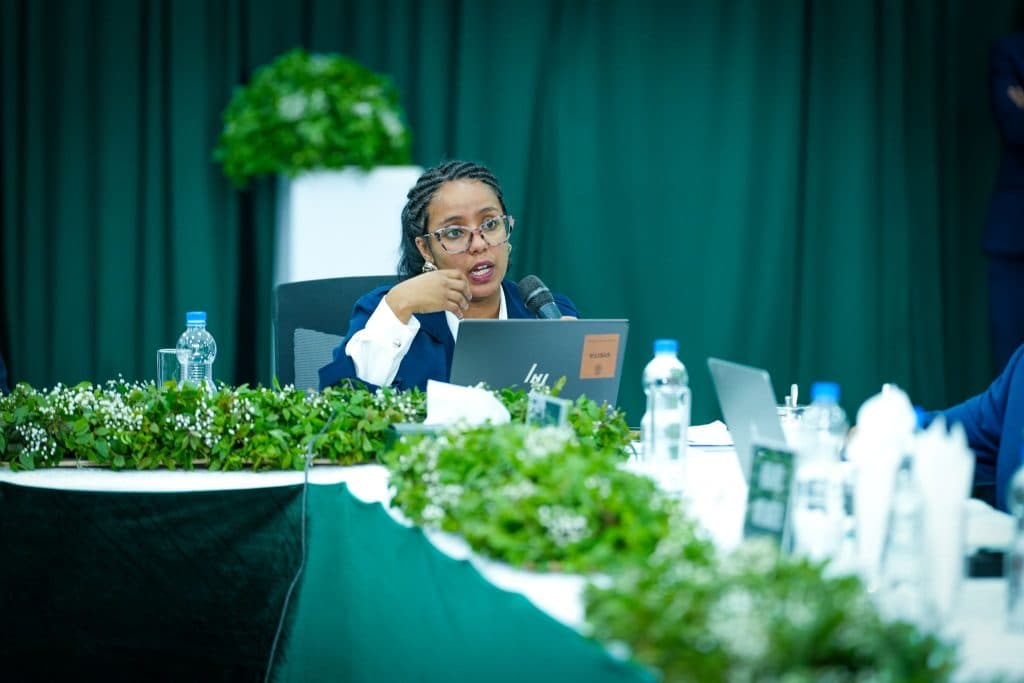
Dr. Eyob Tekalegn has been appointed as the new Governor of the National Bank of Ethiopia, a pivotal move as the nation navigates a challenging economic landscape. The appointment comes as part of a broader leadership reshuffle by Prime Minister Abiy Ahmed, effective September 9. Dr. Eyob, who has been serving as the State Minister
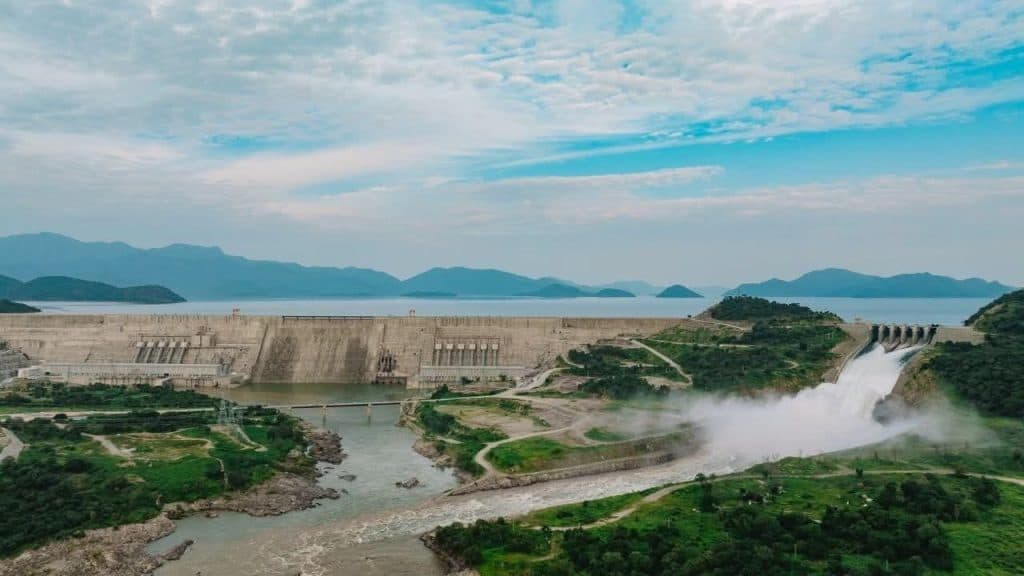
Ethiopia has completed the Grand Ethiopian Renaissance Dam (GERD), the largest hydroelectric project in Africa, financed almost entirely through domestic resources in what is widely regarded as a historic national achievement. According to official figures, the Commercial Bank of Ethiopia (CBE) covered 91 percent of the financing, making it the cornerstone of the project’s funding
Ethiopia’s Treasury Bill (T-Bill) market displayed remarkable strength and resilience during July and August 2025, according to the inaugural Monthly Domestic Debt Bulletin released by the Ministry of Finance’s Debt Management Division. The period was marked by strong issuance activity, overwhelming investor interest, and subscription levels that underscore growing confidence in the government’s domestic debt
Mamo Mihretu, the reformist Governor of the National Bank of Ethiopia (NBE), has stepped down after two and a half years in office. His resignation, announced on Tuesday, came as a surprise to many inside Ethiopia’s financial sector. Mamo said he was leaving public service “to pursue other passions and tackle other challenges.” But his
Ethiopian Investment Holdings (EIH), the state’s sovereign investment arm, said its portfolio of state-owned enterprises generated 2.05 trillion birr ($35.7 billion) in revenue during the 2017 financial year, with net profit before tax rising 88% to 262.7 billion birr. Transport and logistics firms, led by Ethiopian Airlines, accounted for the largest share of profit before
On a dusty morning in 2012, Melkam, a schoolteacher from Shashemene, stood in line at a small local bank. She clutched a bundle of worn Ethiopian birr notes, her modest monthly savings. Around her, farmers, students, shopkeepers, and government workers filled the room, each ready to hand over what little they could. They weren’t paying
Ethiopia has finally opened the doors to its long-protected banking sector, and one of Africa’s largest lenders is already knocking. For decades, foreign banks were kept out. Now, recent policy changes allow international players to operate locally—through subsidiaries, branches, or minority stakes in domestic banks. This is more than financial liberalization; it marks a key
Ethiopian Investment Holdings (EIH), the country’s sovereign wealth manager, continued its annual performance dialogue on day two, with updates from its hospitality, power, and engineering portfolio companies. The reviews underscored steady revenue growth in hotels, strong expansion in electricity access, and rising regional ambitions in engineering services. Hospitality SectorGhion Hotel and Spa, one of Addis
In August 2017, Ethiopia took a decisive step to rewrite its tax story. The government revised the Value Added Tax (VAT) Proclamation, a law that had barely changed in three decades, marking one of the first big reforms under the National Medium-Term Revenue Strategy (2017–2020). Why? Because the numbers told a troubling story. Ethiopia’s tax
Ethiopian Investment Holdings (EIH) kicked off its annual performance dialogue this week, and day one packed a double feature: the heavyweight Ethiopian Shipping and Logistics (ESL) and the Ethiopian Sugar Industry Group (ESIG) with its three flagship factories. Together, they set the tone for a year of growth and a glimpse at the work still
Government workers, mark your calendars: September 2018 (E.C.) isn’t just another new month, it’s the month your paycheck levels up. The Civil Service Commission just dropped the details on a sweeping salary revision that’s about to shake up public sector paychecks: But raises don’t come cheap. This overhaul demands an extra Birr 160B in budget,
Ethiopia is facing an unprecedented slide in one of its most critical economic indicators: the tax-to-GDP ratio. A joint study by the Ministry of Finance’s Tax Policy Department and the UK-based Institute for Fiscal Studies (IFS), through their TaxDev initiative, has revealed that the country’s tax-to-GDP ratio dropped to 7.5% in 2022/23, its lowest point


 Economy