Inside Ethiopia’s internship machine, where a generation works for nothing, learns even less, and the bill lands on everyone. The minibus from Ayat to Bole costs more than 30 birr each way. Hiwot, a composite of the many graduates who tell some version of this story, pays it twice a day, five days a week,
For the past five decades, banks have been a one-stop shop for Ethiopian businesses to get financing. Before this, Ethiopia had a short-lived stock market in the 1960s and early 1970s called the Share Dealing Group, which operated under the imperial regime. Following the Derg regime, the financial system that followed consolidated almost entirely around
Ethiopia has dismantled the last of its emergency controls and handed the economy to a market-based framework held together by interlocking parts. Every piece now depends on every other piece and the National Bank of Ethiopia must keep all of them balanced at once, in high wind. In August 1974, Philippe Petit stepped onto a
Ethio Telecom shares are trading at 900 birr on Monday, up 5.63% on the day and three times the 300 birr price at which the government sold them to the public less than two years ago. For a stock that has traded on the Ethiopian Securities Exchange (ESX) for barely six weeks, TELE has already
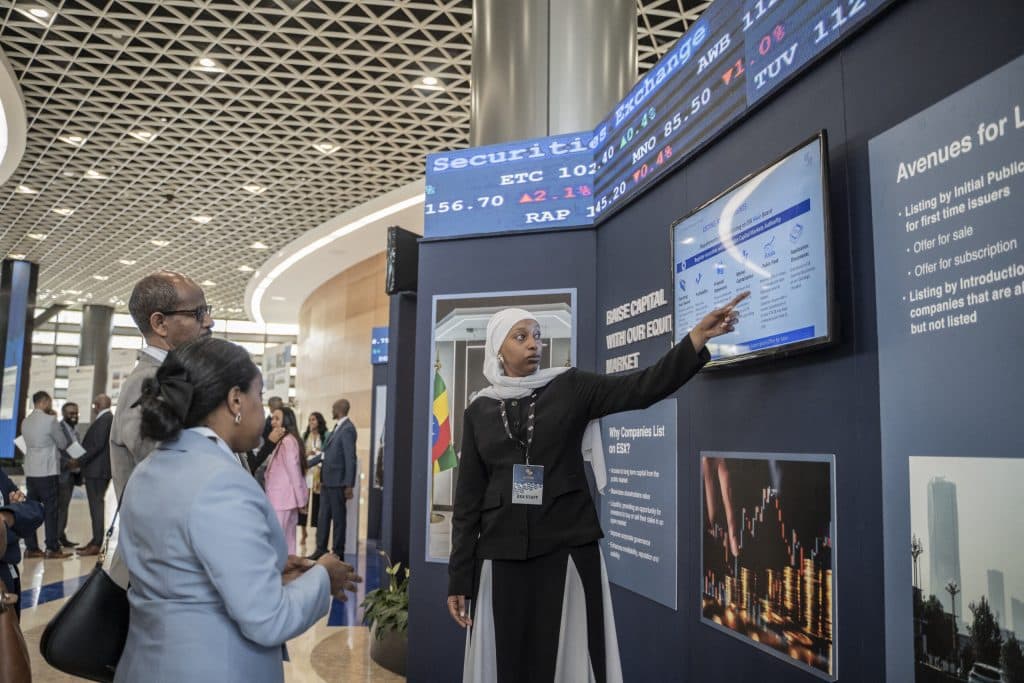
On a Friday morning in January 2025, Prime Minister Abiy Ahmed walked onto a trading floor in Addis Ababa and rang a bell. There were no traders shouting on the floor. There was no opening tick of a long-running ticker. There was, in fact, only one company listed, Wegagen Bank and the screens behind him
There is a particular kind of frustration that has become routine for anyone trying to make a serious financial decision in Ethiopia. The question is often simple. What is inflation really doing to purchasing power? How are banks performing relative to one another? What is the birr actually worth today not in theory, but in
The National Bank of Ethiopia has released its third Financial Stability Report at a pivotal moment for the country’s economic reform agenda, offering a detailed assessment of a financial system that is holding firm, but not without emerging cracks beneath the surface. Covering the fiscal year ending June 2025, the report presents a system that
In modern financial systems, some of the most important changes happen far from public attention. They occur not on trading floors or stock exchanges, but in the quiet, technical infrastructure that keeps money moving between institutions. In Ethiopia, one such system has been expanding rapidly. The country’s interbank money market has now surpassed 2 trillion
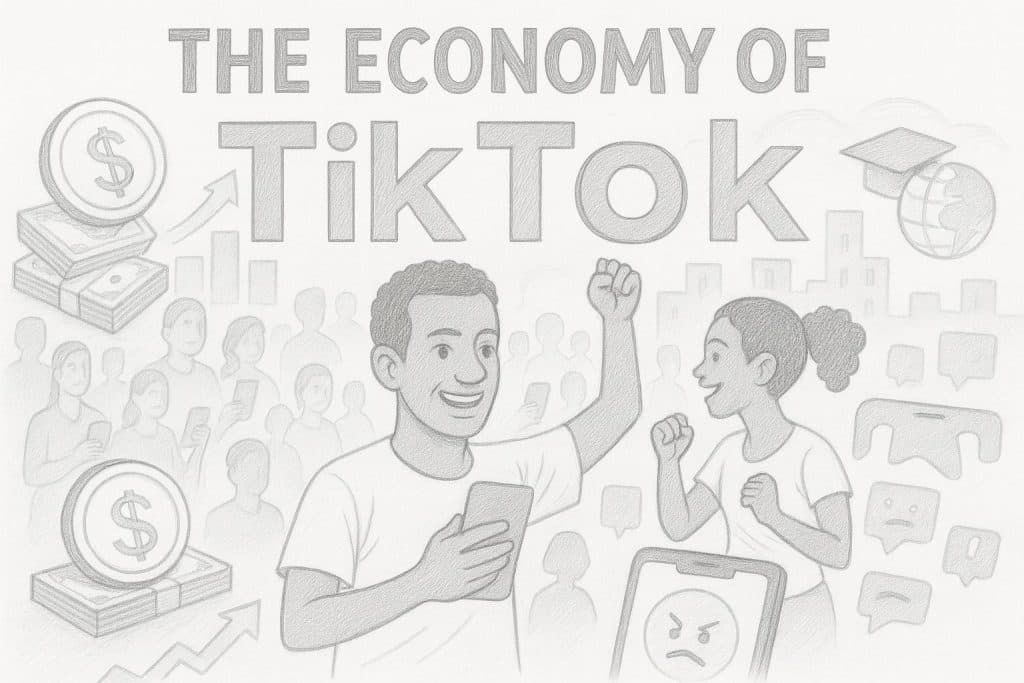
Crowds jostle outside the Addis Ababa Convention Center on a cool December evening, smartphones in hand. It’s the third annual TikTok Creative Awards ceremony, and the excitement is visible – this is the night Ethiopia’s online stars step into the real world spotlight. The scene is both electrifying and chaotic. TikTok Takes the Stage in
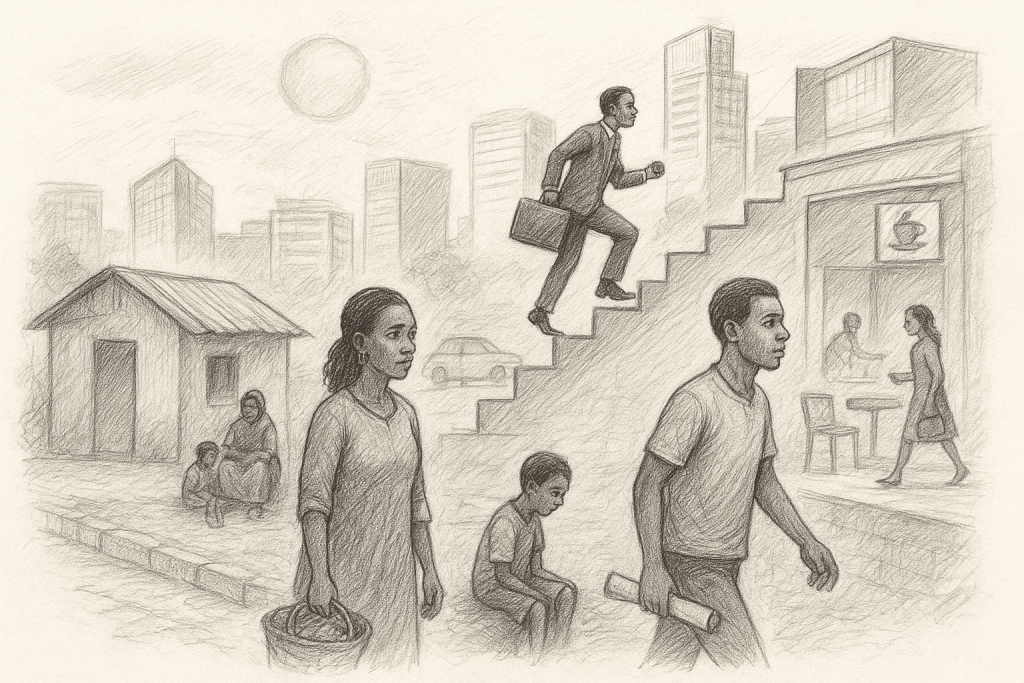
“Why do some Ethiopians earn 20 times more than others in the same city?” That question feels like an accusation and a confession all at once. Walk down any main street in Addis Ababa and you’ll see it: shiny cafés and new office towers standing beside neighborhoods where a day’s wages pays for a single
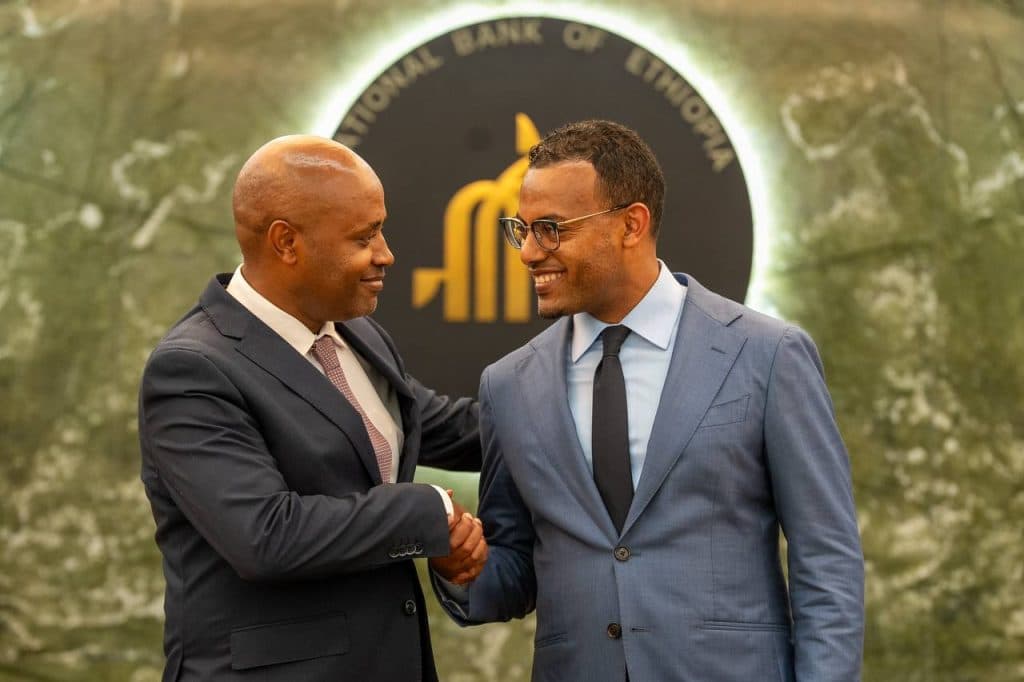
On a muted September afternoon in Addis Ababa, the announcement arrived without ceremony but carried the unmistakable weight of a turning point: Dr. Eyob Tekalign would assume the governorship of the National Bank of Ethiopia. There were no dismissals wrapped in drama, no emergency pressers or currency shocks—just a quiet passing of the baton from


 Deep Dive