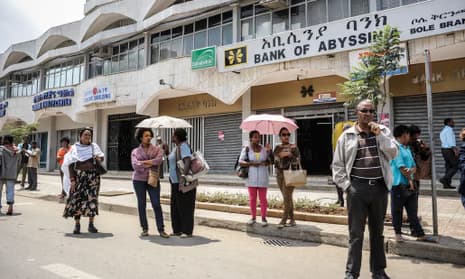
The federal government has allocated 542.1 billion Br for domestic and external debt servicing in its proposed 2019 fiscal year budget, making debt repayment the single largest expenditure item in the spending plan. The allocation represents an increase of nearly 79 billion Br compared to the current fiscal year and accounts for 43.3pc of the
Ethiopia’s Council of Ministers has approved a record federal budget proposal of 2.34 trillion birr for the 2019 fiscal year and forwarded it to the House of People’s Representatives, signaling the government’s continued commitment to economic reform and development priorities. During its 56th regular meeting, the Council reviewed and unanimously endorsed the country’s Medium-Term Macroeconomic
KEFI Gold & Copper reported a loss for 2025 as the company intensified development activities at its flagship Tulu Kapi Gold Project in Ethiopia, while emphasizing that the project has now moved into the construction phase and remains on track for first gold production in 2028. The London-listed mining company posted a pretax loss of
Ethiopia is set to receive approximately $468 million in additional financing after the International Monetary Fund (IMF) reached a staff-level agreement with the government on the fifth review of the country’s Extended Credit Facility (ECF) program. The agreement, announced on Wednesday, marks another milestone in Ethiopia’s ongoing economic reform agenda and, once approved by the
Ethiopia’s efforts to restructure its defaulted $1 billion Eurobond have encountered another setback after a committee representing bondholders rejected the government’s latest proposal and warned that some investors are preparing to pursue legal action. In a statement released on Monday, the bondholder committee said it remains willing to consider alternative solutions but concluded that Ethiopia’s
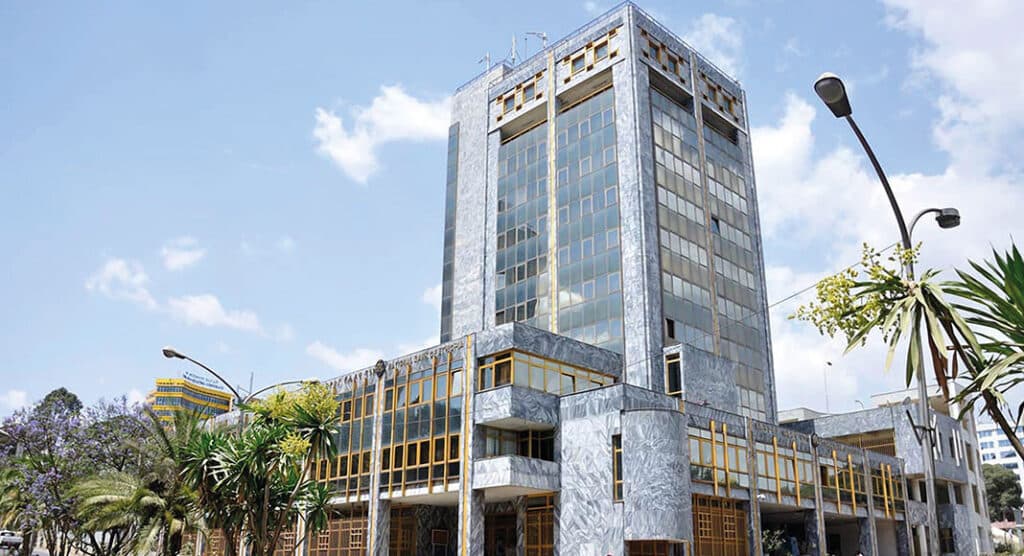
The National Bank of Ethiopia (NBE) has introduced a new directive governing imports made under the Franco Valuta system, aiming to modernize the framework and strengthen oversight of foreign currency-free imports. The directive officially took effect on May 29, 2026. Franco Valuta refers to the importation of goods without using foreign exchange obtained from Ethiopia’s
Ethiopia’s efforts to restructure its international debt have suffered another setback after bondholders rejected the government’s latest proposal, according to the Ministry of Finance. The proposal, discussed during negotiations held from May 6 to May 27, reportedly included a 12% haircut on Ethiopia’s $1 billion Eurobond due in 2024. Bondholders declined the offer, prolonging a
National Bank of Ethiopia (NBE) has officially authorized all licensed commercial banks to issue export permits for goods destined for the People’s Republic of China. The landmark decision, announced via a public notice today, May 26, 2026, removes a long-standing restriction that previously required all China-bound export permits to be processed exclusively through the Commercial
The National Bank of Ethiopia has announced a fresh set of foreign exchange (FX) reforms aimed at improving trade efficiency, reducing administrative bottlenecks, and aligning the country’s financial system with international best practices. In a public notice issued on 25 May 2026, the central bank said the latest amendments to FX Directive FXD/01/2024 are part
The National Bank of Ethiopia has announced the results of its latest Special Foreign Exchange Auction held on May 19, 2026, allocating USD 500 million to participating banks as part of ongoing efforts to stabilize the country’s foreign exchange market. According to the central bank, total bids submitted by commercial banks reached USD 1.06 billion,
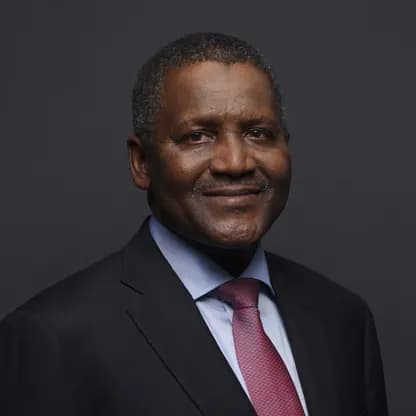
Aliko Dangote visited the construction site of a fertiliser plant in Gode, in Ethiopia’s Somali region, this weekend alongside Prime Minister Abiy Ahmed, and used the occasion to announce a significant expansion of his group’s commitment to the country. The Dangote Group’s total investment in Ethiopia has now risen from $2.5 billion to more than
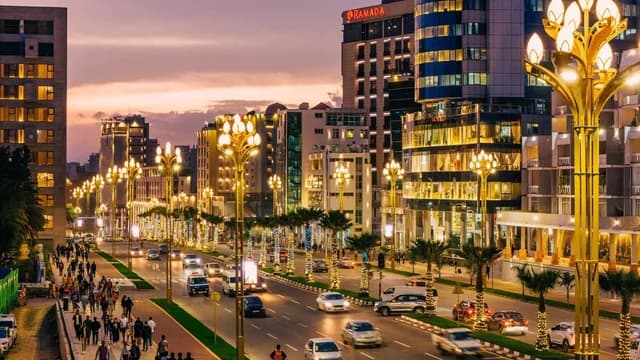
Addis Ababa has started to feel like two cities stacked on top of each other. One runs on dollars, generators, imported marble, Telegram property listings, and rooftop gyms. The other runs on delayed salaries, rising transport fares, smaller grocery portions, and quiet panic every time the exchange rate moves again. In Bole, the lifts work.


 Economy