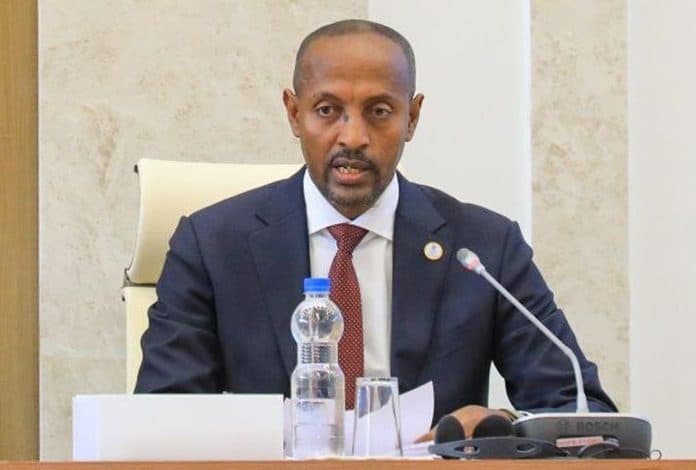
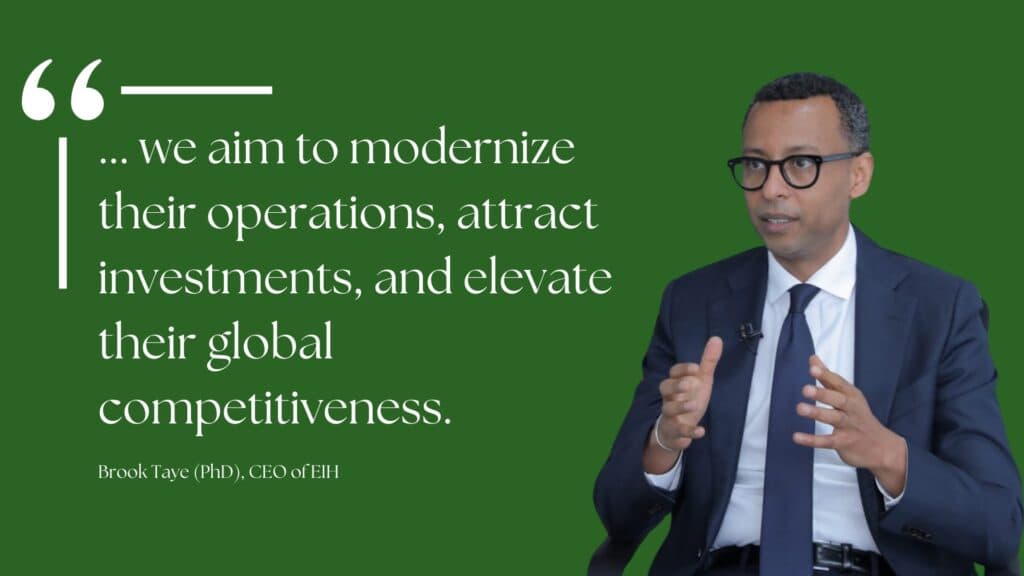
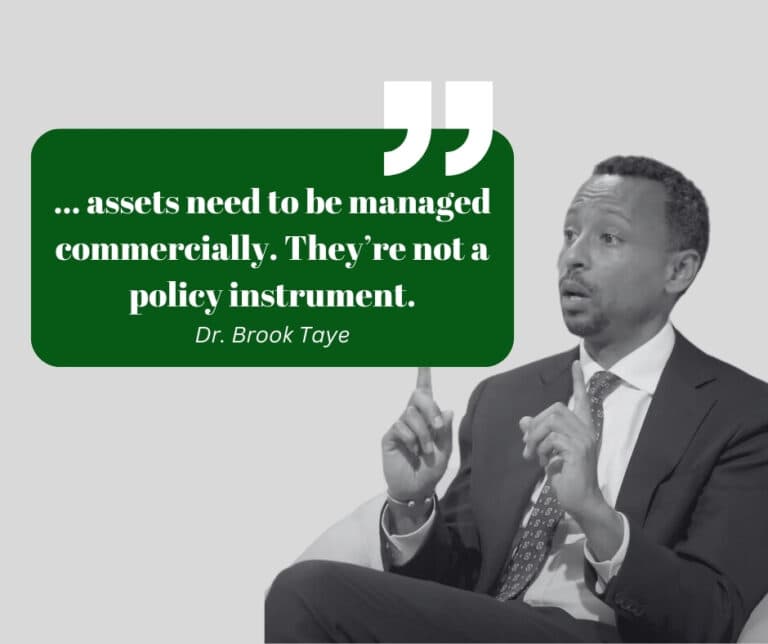
In a recent interview on the Ethiopia in Focus program with Billene Seyoum, Dr. Brook Taye discussed key initiatives being undertaken by Ethiopian Investment Holdings and shared insights on its future outlook. Ethiopia is undergoing a significant economic transformation, spearheaded by its newly launched Sovereign Wealth Fund, Ethiopian Investment Holdings (EIH). Dr. Brook Taye, CEO
Ethiopia’s ongoing macroeconomic reforms, implemented six months ago, have significantly impacted the manufacturing sector, with the demand for birr doubling during this period, according to Industry Minister Ato Melaku Alebel. Speaking at the House of People’s Representatives today, the minister outlined the challenges and achievements in financing the manufacturing industry while emphasizing the need for
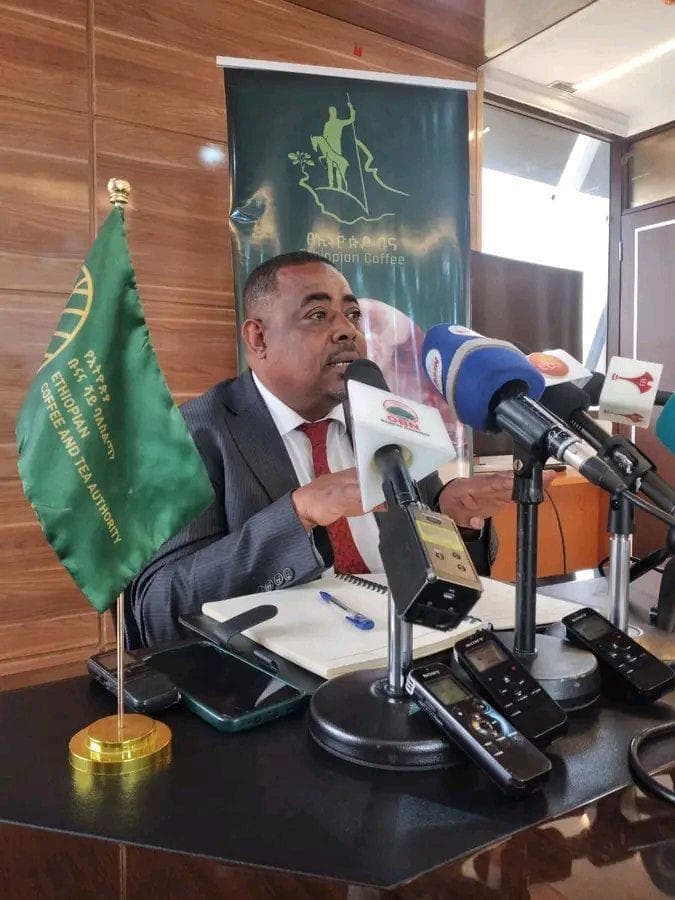
Ethiopia has achieved remarkable success in its coffee export sector, earning $908 million over the past six months, surpassing its initial targets, the Ethiopian Coffee and Tea Authority (ECTA) revealed. Shafi Umer, Deputy Director General of ECTA, announced at a media briefing that the country exported over 200,000 tons of coffee during this period. He
The International Monetary Fund (IMF) has completed the second review of Ethiopia’s Extended Credit Facility (ECF) arrangement, unlocking $248 million (SDR 191.7 million) to support the country’s balance of payments. This milestone is part of a broader $10.7 billion financial support package coordinated with development partners and creditors to aid Ethiopia’s economic reform agenda. The
The Council of Ministers has discussed and approved two draft proclamations submitted by the Ethiopian government in partnership with the International Development Association (IDA). The agreements focus on securing financing for two major development initiatives. The first loan, amounting to SDR 53.3 million, is designated for the implementation of the Ethiopia Modern Public Service Improvement
Ethiopia has achieved a record-breaking milestone, earning over $1 billion from gold exports within just five months, the Ministry of Trade and Regional Integration (MoTRI) announced. This remarkable achievement is attributed to the country’s ongoing macroeconomic reforms, which have been instrumental in curbing illicit trade and boosting export revenues. Speaking at the third National Anti-Illicit
The National Bank of Ethiopia (NBE) is expected to revise its policy rate, or National Bank Rate (NBR), early next year. Set at 15% at the start of this fiscal year, the NBR reflects the NBE’s shift to an interest-rate-based monetary policy framework, replacing the previous credit ceiling approach. This change aims to better align
Ethiopia’s banks and insurance firms are locked in a tax dispute over whether dividends used to pay off unpaid subscribed capital should be taxed. Around 25 financial institutions have already paid half of the 5.7 billion Br demanded by tax authorities to appeal the case, fearing decisions against them could weaken their ability to raise
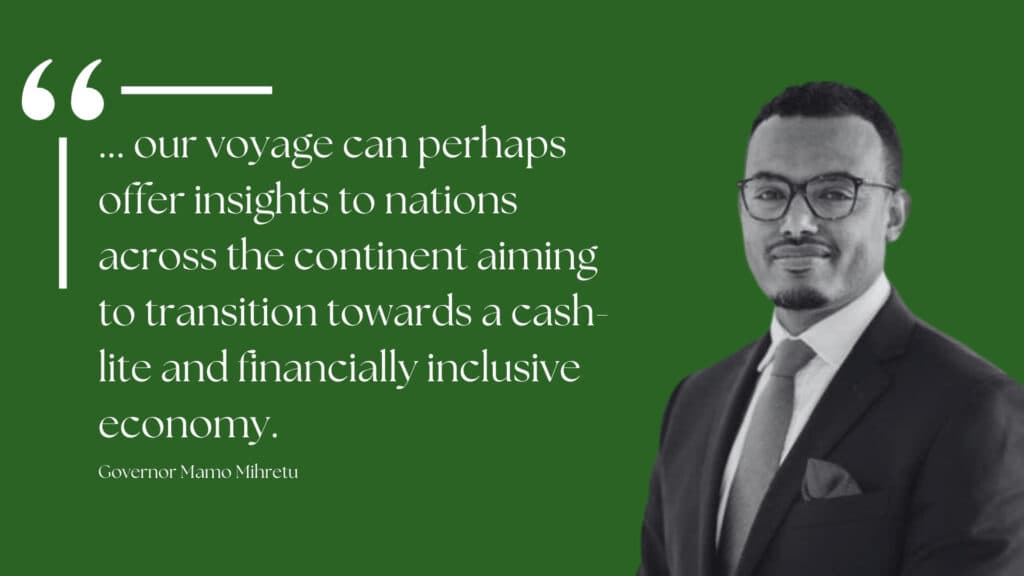
Ethiopia is undergoing a remarkable transformation in its payment system, driven by a commitment to building a more digital and inclusive economy. Spearheaded by the National Bank of Ethiopia, this journey has been marked by strategic initiatives, regulatory reforms, and the embrace of innovative technologies. The Beginning (2011-2014) The story began in 2011 with the
Ethiopian Investment Holdings (EIH) has announced the expansion of its portfolio with the addition of eight prominent State-Owned Enterprises (SOEs). This milestone follows the decision of the EIH Board of Directors, in accordance with Council of Ministers Regulation No. 487/2022, Article 8. The transfer of ownership from the Public Enterprises Holding and Administration portfolio to
The National Bank of Ethiopia (NBE) released its second annual Financial Stability Report in November 2024, providing a comprehensive assessment of the country’s financial health up to June 2024, with additional updates through September 2024. This report builds on the findings of the April 2024 report, highlighting key developments in Ethiopia’s financial system amidst ongoing
The International Monetary Fund (IMF) staff and Ethiopian authorities have reached a staff-level agreement on economic policies to conclude the second review of Ethiopia’s four-year, $3.4 billion Extended Credit Facility (ECF) arrangement. Upon formal approval by the IMF Executive Board, Ethiopia will gain access to approximately $251 million in financing. Ethiopia’s homegrown economic reform agenda,


 Capital Market