Ethiopia’s coffee industry is recording some of its best performance in years. New data shared at the National Coffee Exhibition and Recognition Program, held at the Science Museum in Addis Ababa, shows that coffee production, exports, and foreign-exchange earnings have all improved sharply. Top government officials, including Deputy Prime Minister Temesgen Tiruneh and Minister of
The National Bank of Ethiopia (NBE) has released its official foreign exchange auction schedule for the remainder of the fiscal year, unveiling a total allocation of USD 520 million for upcoming auctions. According to the statement, USD 420 million has been designated for the third quarter of FY 2025/26, while an additional USD 100 million
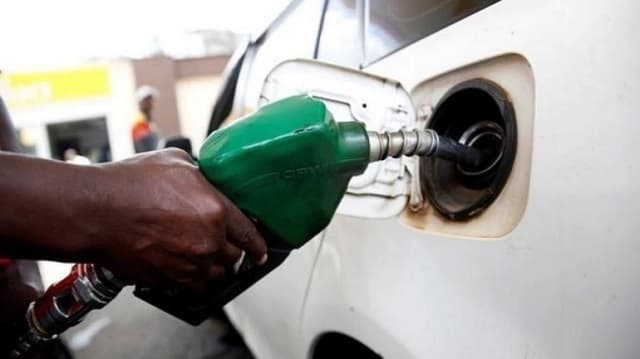
Ethiopia will introduce a combined 30% tax on petroleum products next month, the Ministry of Finance said, as the government accelerates reforms to phase out long-standing fuel subsidies and boost domestic revenue. The new levy — made up of a 15% value-added tax and a 15% excise duty — will be collected by the Ethiopian
A new audit by the Office of the Federal Auditor General (OFAG) has exposed serious financial management breaches at the Ministry of Finance, including the collection of over 15.1 billion birr in revenues not recorded in the government’s 2023/24 approved budget. According to the report, led by Auditor General Meseret Damte, the Ministry collected substantial
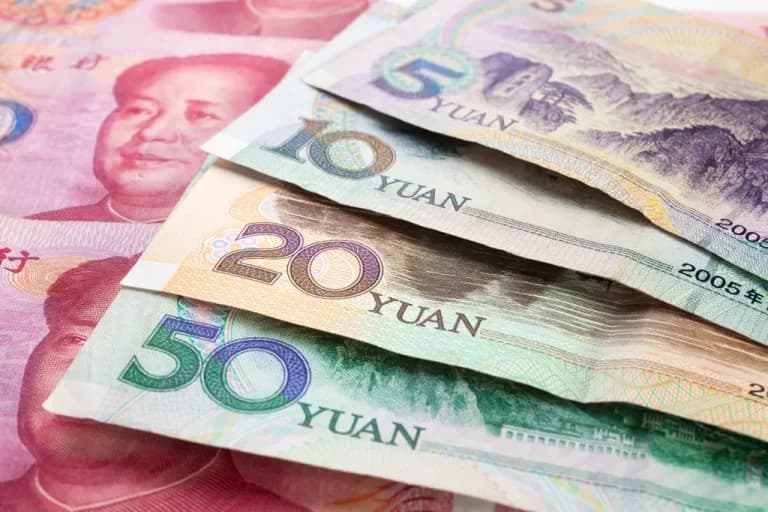
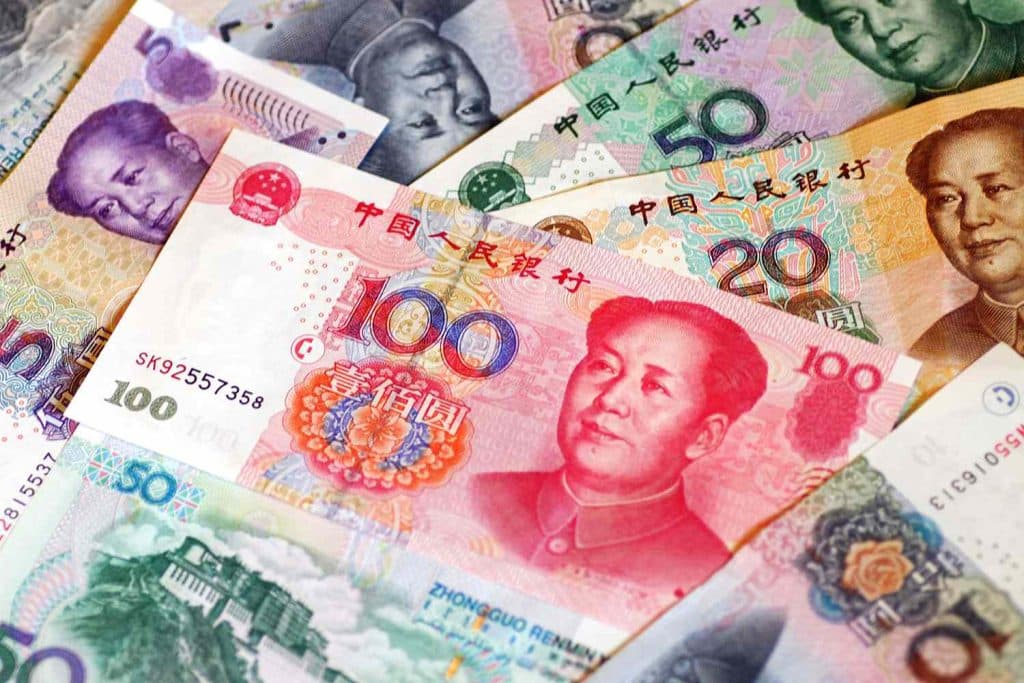
The IMF has renewed its warning to Ethiopia over the currency risks tied to repaying Chinese loans in yuan, even though the arrangement was agreed upon months ago. So, why the concern now? Because while shifting repayments from US dollars to yuan seemed like a smart cost-cutting move at first, the macroeconomic picture has worsened.
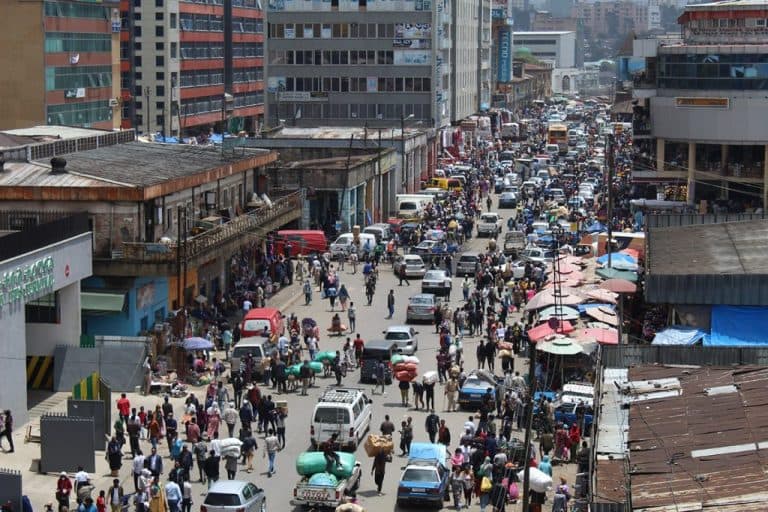
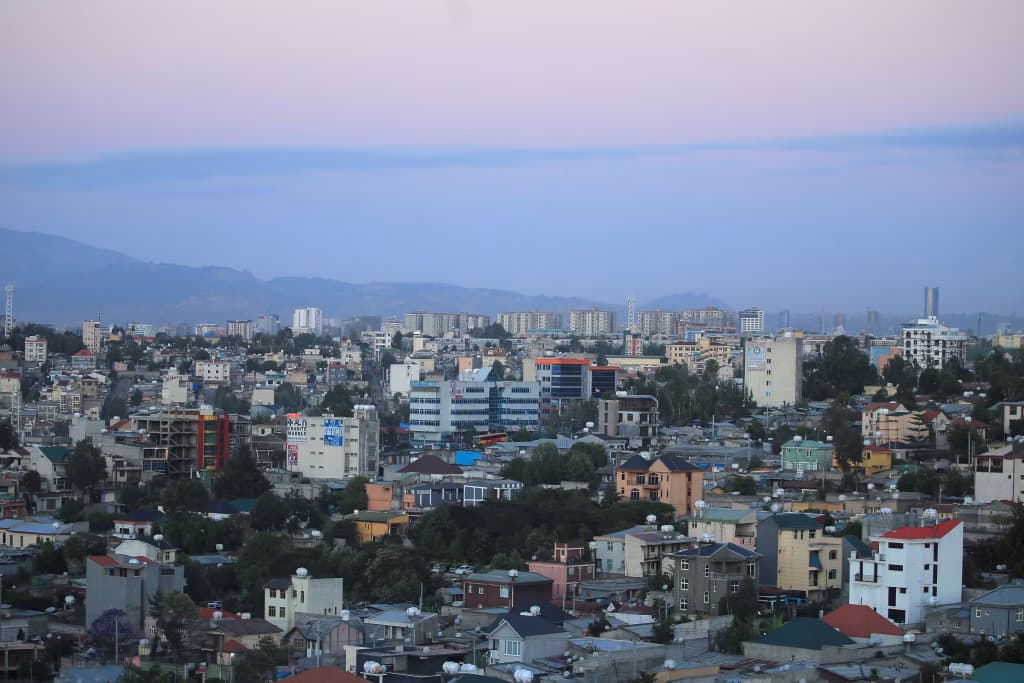
“Why do some Ethiopians earn 20 times more than others in the same city?” That question feels like an accusation and a confession all at once. Walk down any main street in Addis Ababa and you’ll see it: shiny cafés and new office towers standing beside neighborhoods where a day’s wages pays for a single
Looks like the National Bank of Ethiopia (NBE) is done playing nice with the underground money movers. Governor Eyob Tekalign (PhD) made it clear: if you’re running illegal hawala transfers, it’s time to either go legit or go quiet. The central bank has been chatting with both foreign hawala operators and commercial banks — kind
Ethiopia just slid into China’s DMs, economically speaking. The country has started talks to convert part of the $5.38 billion it owes Beijing from dollar loans to yuan-denominated debt, taking a page out of Kenya’s playbook (and probably borrowing its calculator too). National Bank Governor Eyob Tekalign told Bloomberg that a currency swap “makes sense”
The International Monetary Fund (IMF) has projected Ethiopia’s economy to expand by 7.2% in the current fiscal year, marking one of the strongest growth outlooks in sub-Saharan Africa. The forecast is part of the IMF’s latest annual regional economic report, released on Thursday. While slightly more conservative than the Ethiopian government’s target of 9%, the
Ethiopia’s efforts to restructure its sovereign debt have stalled after negotiations with international bondholders broke down, raising the risk of legal disputes and prolonging the country’s financial uncertainty, Reuters reported. The government confirmed that talks with holders of its $1 billion Eurobond had ended without a deal, citing disagreements over key restructuring terms. Ethiopia, which
The National Bank of Ethiopia (NBE) has announced the results of its 10th foreign exchange auction, allocating U.S. dollars to 31 commercial banks at a weighted average rate of Birr 148.1007 per USD, signaling continued adjustment toward a market-driven exchange rate. The latest allocation follows the central bank’s $150 million injection during Auction No. 9
Ethiopia’s central bank said on Monday it will hold a $150 million foreign exchange auction on October 14, its first such operation in more than two months, as part of efforts to boost liquidity and stabilise the currency market. The National Bank of Ethiopia (NBE) said in a statement that improving foreign exchange inflows this


 Business