Corruption has long been a major challenge for past and present governments. Today, bribery has become so ingrained in daily life that it is treated as just another service charge—even for services that should be provided free of cost. The most alarming aspect is not just the prevalence of corruption but how deeply normalized it
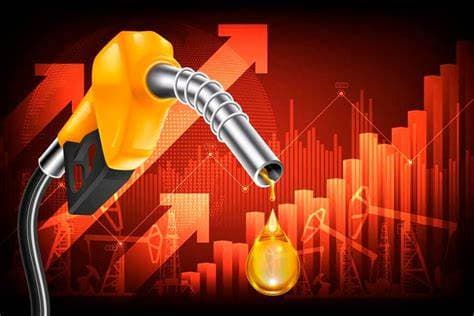
Fuel prices in Ethiopia surged, with gasoline rising to 112.67 birr per liter, while both diesel and kerosene reached 107.93 birr, and jet fuel hit 113.20 birr. These new rates are effective immediately and reflect the latest in a series of price adjustments as the government reduces fuel subsidies, bringing prices closer to market rates
The Ministry of Finance of Ethiopia announced an Agreement in Principle (AIP) with its Official Creditor Committee (OCC) regarding a debt treatment under the G20 Common Framework. The agreement addresses approximately USD 8.4 billion of Ethiopia’s outstanding public debt. The AIP outlines a debt service relief of approximately USD 2.5 billion over the period 2023-2028.
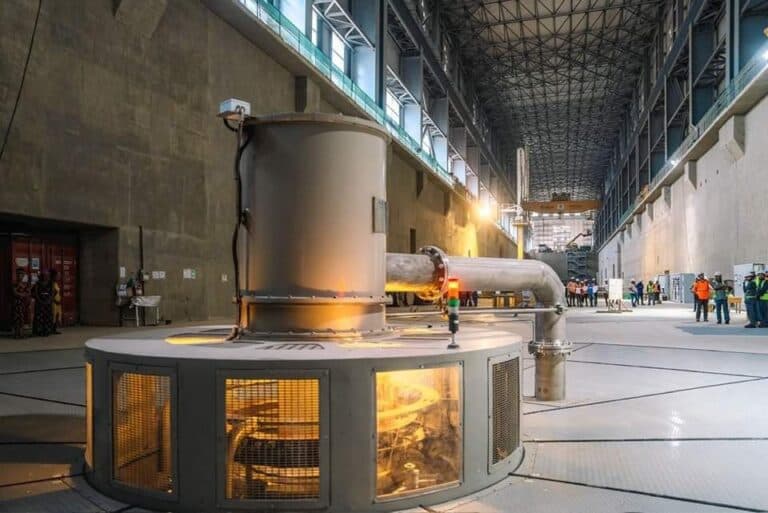
Prime Minister Abiy Ahmed has announced that the Grand Ethiopian Renaissance Dam (GERD), currently nearing completion, could be inaugurated within six months. Located in the Guba district of the Benishangul Gumuz region, the dam now holds 74 billion cubic meters of water. The Prime Minister made this statement in response to a question from Member
The National Bank of Ethiopia (NBE) has announced a Special Foreign Exchange Auction scheduled for February 25, 2025, with a total offer of $60 million. The auction is open to all banks and aims to support the country’s monetary policy while improving foreign exchange market liquidity. The auction follows Ethiopia’s comprehensive macroeconomic reform program, launched
Ethiopian Investment Holdings (EIH) has commenced its mid-year performance review of state-owned enterprises (SOEs), with the first day’s dialogues revealing a range of outcomes across diverse sectors. The review, covering the first half of the 2017 Ethiopian Fiscal Year (EFY), highlighted both successes and ongoing challenges, setting the stage for further evaluations in the coming
Ethiopia’s bondholder committee has strongly criticized the latest report by the International Monetary Fund (IMF), claiming it contains significant flaws that “artificially” present a solvency issue for the East African nation. The assertion, made in a statement on Monday, suggests that the IMF’s analysis could lead to unnecessary debt relief measures. Ethiopia defaulted on its
Data from the National Bank of Ethiopia covering the first six months of the fiscal year reveal significant shifts in key economic indicators, particularly in inflation, exports, and market rates. Inflation at a Five-Year Low Inflation has seen a sharp decline, with the overall rate falling by 13.9 percentage points year-over-year, from 29.4% to 15.5%.
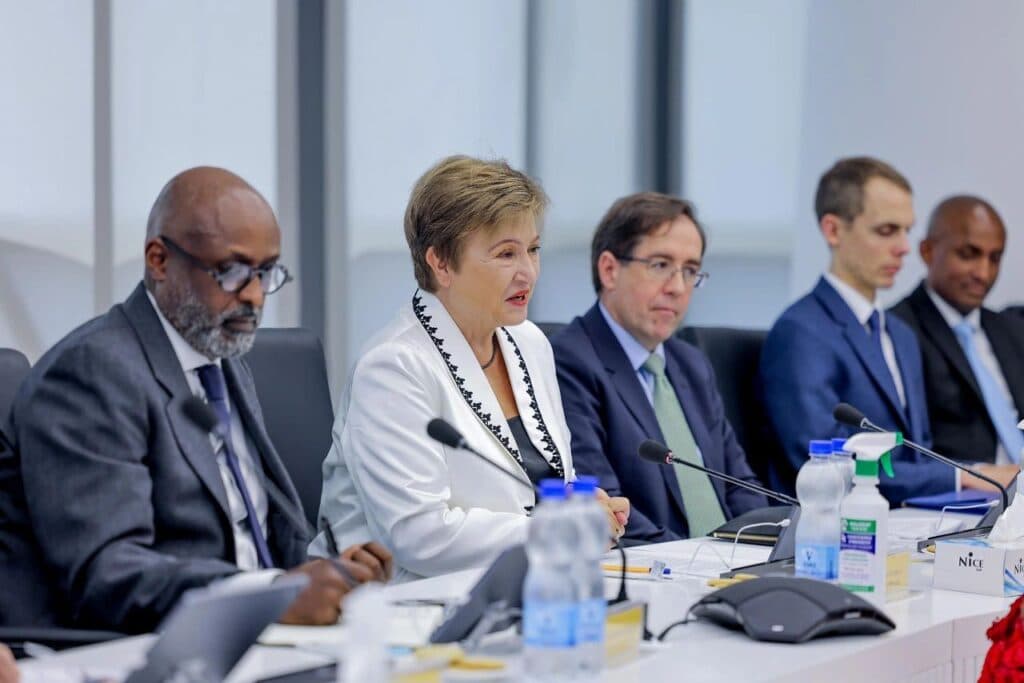
International Monetary Fund (IMF) Managing Director Kristalina Georgieva paid a working visit to Ethiopia, where she met with Prime Minister Abiy Ahmed (PhD) and senior federal officials. She also issued a joint statement with Finance Minister Ahmed Shide, addressing the country’s economic challenges and reform efforts. During her remarks, Georgieva acknowledged the difficulty and time-consuming
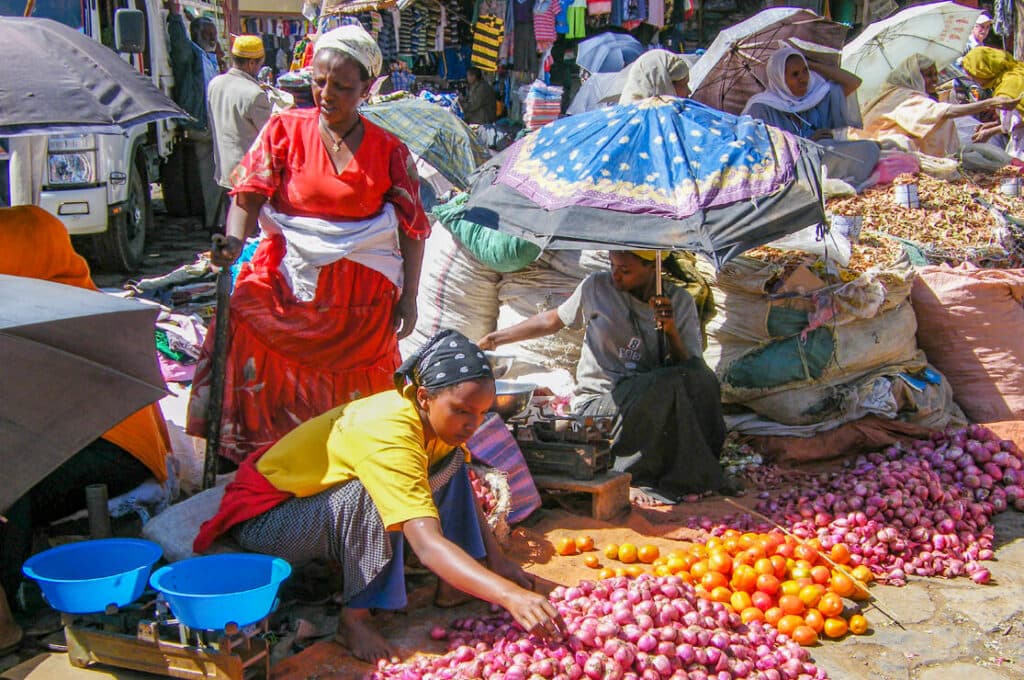
In Ethiopia, informal enterprises are a vital part of the economy, operating outside formal regulations and characterized by their small scale and lack of legal recognition. These businesses encompass a wide array of activities, including street vending, small-scale manufacturing, and services across various sectors like retail, recreation, hospitality, construction, transportation, manufacturing, and agriculture. They are
In a significant step toward modernization, Ethiopia has launched its Digital Agriculture Roadmap (DAR), designed to leverage digital technology to transform the nation’s agricultural sector. Developed in collaboration with government agencies, experts, and donor organizations, DAR marks a strategic shift in how agriculture will be managed and developed in the coming years. The roadmap adopts
According to the IMF report, Ethiopia is undergoing significant economic reforms supported by a four-year arrangement with the IMF under the Extended Credit Facility (ECF), which was approved in July 2024. The program aims to correct macroeconomic imbalances, ensure external debt sustainability, and establish a foundation for robust, private sector-led growth, all while navigating challenging


 Economy