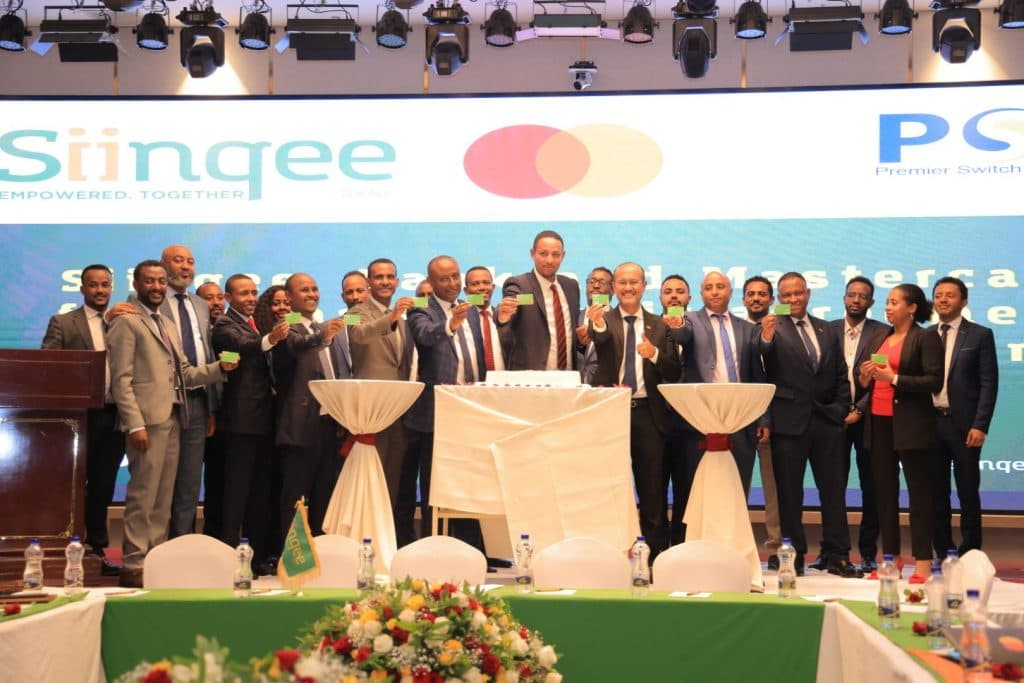
Siinqee Bank S.C. has officially started issuing Mastercard-branded prepaid cards in Ethiopia, expanding access to digital payments and promoting financial inclusion. The launch is powered by Premier Switch Solutions (PSS), a leading local payment technology provider. This move is a major milestone in Ethiopia’s financial sector. Siinqee Bank is now the first financial institution outside
Cooperative Bank of Oromia (Coop Bank) has been named Sustainable SME Financier of the Year at the Global SME Finance Forum 2025, held in Johannesburg, South Africa. The recognition underscores Coop Bank’s pioneering role in expanding access to finance for micro, small, and medium enterprises (MSMEs) in Ethiopia through its Michu Digital Lending Platform. By
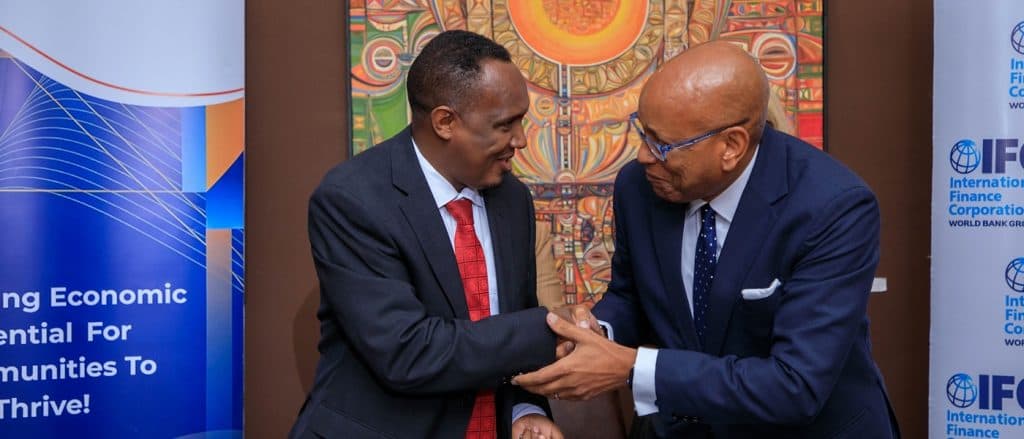
The International Finance Corporation (IFC) said on Monday it has issued a $10 million equivalent loan in Ethiopian birr to VisionFund Microfinance Institution, marking its first local currency loan to Ethiopia’s financial sector. The financing is the first tranche of a planned $30 million equivalent commitment, with $20 million to come from IFC’s own account
Ethiopia has completed the Grand Ethiopian Renaissance Dam (GERD), the largest hydroelectric project in Africa, financed almost entirely through domestic resources in what is widely regarded as a historic national achievement. According to official figures, the Commercial Bank of Ethiopia (CBE) covered 91 percent of the financing, making it the cornerstone of the project’s funding
Ethiopia’s Treasury Bill (T-Bill) market displayed remarkable strength and resilience during July and August 2025, according to the inaugural Monthly Domestic Debt Bulletin released by the Ministry of Finance’s Debt Management Division. The period was marked by strong issuance activity, overwhelming investor interest, and subscription levels that underscore growing confidence in the government’s domestic debt
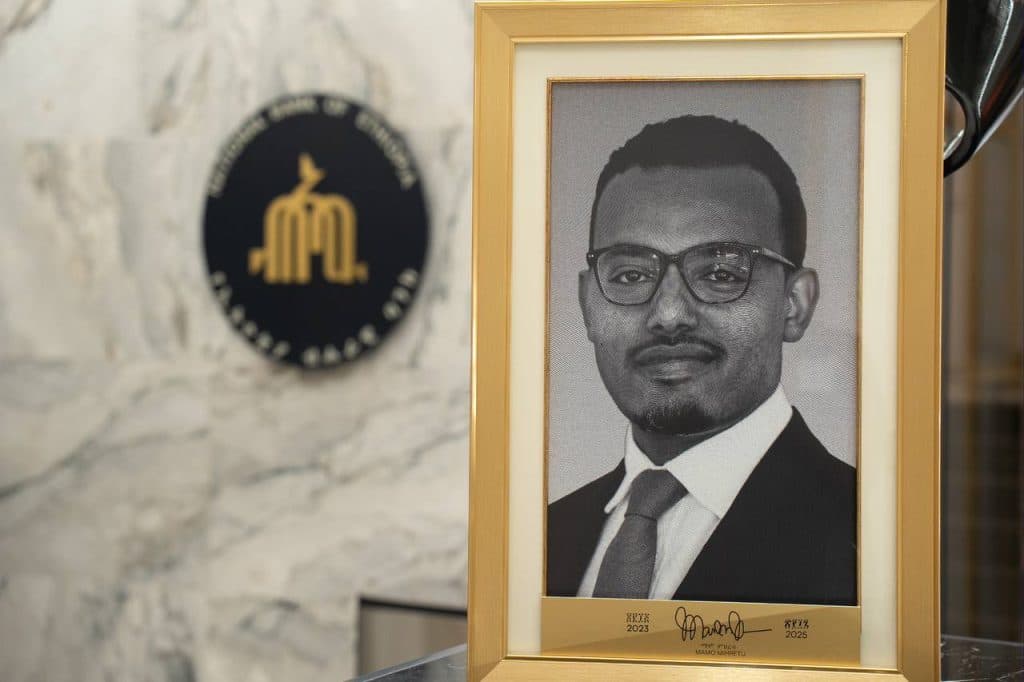
Mamo Mihretu, the reformist Governor of the National Bank of Ethiopia (NBE), has stepped down after two and a half years in office. His resignation, announced on Tuesday, came as a surprise to many inside Ethiopia’s financial sector. Mamo said he was leaving public service “to pursue other passions and tackle other challenges.” But his
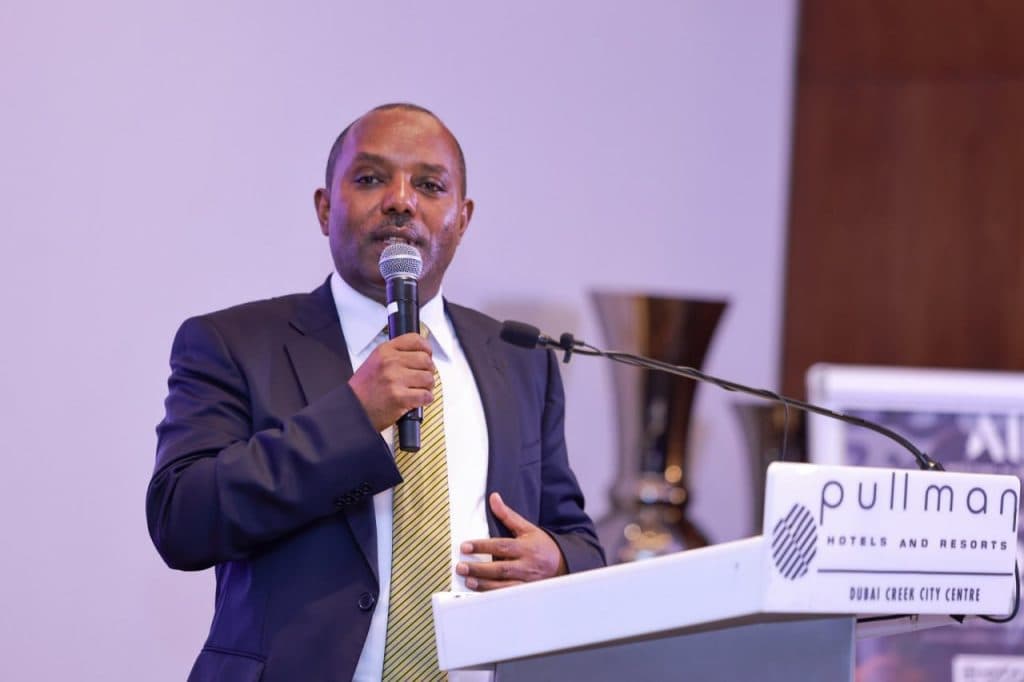
A delegation led by Ato Abe Sano, President of the Commercial Bank of Ethiopia (CBE), has arrived in Dubai for a series of strategic consultations with the Ethiopian diaspora and international financial institutions. During his visit, Ato Abe Sano emphasized the importance of engaging the diaspora community in Ethiopia’s ongoing economic transformation. “Despite the large
Ethiopia has finally opened the doors to its long-protected banking sector, and one of Africa’s largest lenders is already knocking. For decades, foreign banks were kept out. Now, recent policy changes allow international players to operate locally—through subsidiaries, branches, or minority stakes in domestic banks. This is more than financial liberalization; it marks a key
In August 2017, Ethiopia took a decisive step to rewrite its tax story. The government revised the Value Added Tax (VAT) Proclamation, a law that had barely changed in three decades, marking one of the first big reforms under the National Medium-Term Revenue Strategy (2017–2020). Why? Because the numbers told a troubling story. Ethiopia’s tax
Government workers, mark your calendars: September 2018 (E.C.) isn’t just another new month, it’s the month your paycheck levels up. The Civil Service Commission just dropped the details on a sweeping salary revision that’s about to shake up public sector paychecks: But raises don’t come cheap. This overhaul demands an extra Birr 160B in budget,
Ethiopia is facing an unprecedented slide in one of its most critical economic indicators: the tax-to-GDP ratio. A joint study by the Ministry of Finance’s Tax Policy Department and the UK-based Institute for Fiscal Studies (IFS), through their TaxDev initiative, has revealed that the country’s tax-to-GDP ratio dropped to 7.5% in 2022/23, its lowest point
Ethiopia’s Financial Intelligence Service (FIS) has frozen the bank accounts of 138 individuals accused of running illegal foreign currency operations, in the latest move to tighten the noose on the country’s parallel market. The suspects, identified through what the agency calls “ongoing surveillance,” are accused of skirting the formal financial system and moving money outside


 Banking & Finance